
Avoid Kitten Scams
- Dollhouse Kittens
- Feb 13
- 4 min read

Updated: Feb 18
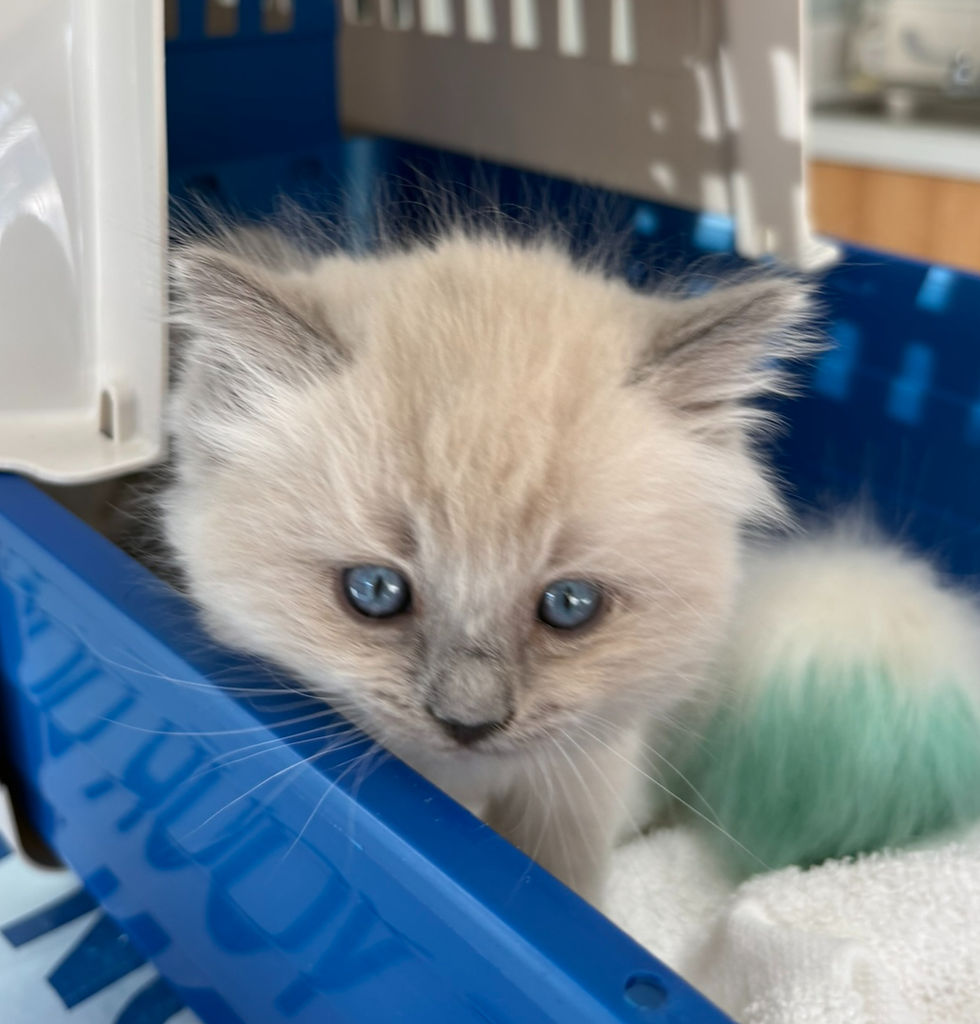
Sadly, scammers continue to prey upon our emotions and kitten scams are becoming more sophisticated. Bringing home a kitten should feel exciting, not stressful. Unfortunately, kitten scams have become incredibly common—especially for popular breeds like Ragdolls. Scammers know families are eager (and sometimes on a waitlist), and they use that urgency to pressure people into sending money quickly.
At Dollhouse Kittens, we encourage buyers to ask questions so they can make informed decisions. This guide walks you through the most common scam tactics, the biggest red flags, and how to confidently verify a breeder before you pay anything.
Quick reminder: If something feels “off,” pause. Real breeders will never punish you for asking questions.
Why kitten scams are so common right now
High demand + long waitlists for popular breeds creates urgency.
Social media makes it easy to copy photos, fake pages, and impersonate real catteries.
Deposits are usually nonrefundable (even with legitimate breeders), so scammers target payment methods that are hard to recover.
The most common kitten scams (and how they work)
1) “Too good to be true” pricing
If a “Ragdoll kitten” is listed far below typical market pricing (especially with free shipping or same-week delivery), be cautious. Ethical breeding includes health testing, vaccines, vet care, quality nutrition, and extensive time—none of that is cheap.
2) Stolen photos and fake breeder pages
Scammers often steal photos from real breeders’ websites, Instagram pages, or even past buyers. They may create a new social account with a similar name to a known cattery.
What to do: Ask for a custom photo/video with today’s date and your name on paper next to the kitten. Run a Google reverse image search -- it's not perfect but it can be very effective at spotting stolen kitten photos. Ask for a Zoom or Facetime call (discussed further below).
3) Deposit pressure + urgency tactics
They’ll push you to “hold the kitten” immediately and claim multiple people are “in line.”
Real breeders may have multiple inquiries too—but ethical breeders will still answer questions, provide documentation, and let you think.
4) No phone calls, Zoom calls, Facetime or other live video-communication
Scammers like to avoid speaking with you live. I have even heard of some sending videos instead of live calls/Zoom/Facetime. Beware that even videos may be stolen, old, etc.
What to do: Request a Zoom or Facetime call so that you can see the breeder, kitten, and parents in real time.
5) Lack of information regarding the seller's location, or no in-person pick-up and shipping or "pet nanny" add-on fees
Most breeders will not allow you into their homes for the protection of their animals from disease, with the exception of pick-up of the kitten when it is ready to go home. But if you can't discern any location information about a breeder (Country, State, and City), they are likely not legitimate. Someone who insists on shipping the kitten -- with added fees -- is probably a scammer. A classic scam is collecting a deposit, then demanding extra money for a crate, insurance, special paperwork, or a “temperature-controlled van.” Legitimate delivery can exist, but it’s discussed up front, in writing, with clear terms.
6) Payment methods that protect the scammer
If they insist on:
gift cards
cryptocurrency
Zelle/Cash App “friends & family” to a different name each time
it may be a scam.
A reputable breeder will use normal, traceable payment options -- often providing many options and permitting the buyer to choose.
How to verify a breeder before you send money
Step 1: Confirm they are a real presence; Verify registry claims
Call TICA or CFA and confirm the cattery is actually a registered breeder. A quick note -- while TICA does have a public breeder listing page on its website, these are paid listings and not all catteries choose to pay this additional fee. Just because you cannot find a breeder in the public TICA breeder list does not necessarily mean they are not registered. Ask the breeder for a copy of their TICA cattery registration, and CALL TICA to confirm.
Ask for a copy of the cattery's TICA registration - real breeders can easily provide this information. I have posted an image of my TICA cattery registration here.

Check whether their site and social pages show a consistent history (not mere days old).
Look for repeatable patterns: the same home environment, the same adult cats, consistent branding.
Ask for the name of the individual who owns the cattery, look them up, and call them. I am an attorney and own a second business with my husband. You can easily look me up on Google, court directories, and the Ohio Supreme Court attorney directory, and verify I am a real person; and I am always happy to speak by phone, Zoom, Facetime, etc.
Step 2: Ask for a live video call
During the call, ask them to:
show the kitten
show the kitten’s face and body clearly
show the kitten interacting in their environment
(ideally) show mom and dad and/or littermates briefly
A scammer may dodge this, delay, or make excuses.
Step 3: Ask for health and care specifics, including the name of their vet
A real breeder should easily answer:
What food is the kitten eating right now?
What deworming schedule have you used?
What vaccines has the kitten received and on what dates? What vaccines will they receive before they go home?
Will the kitten be spayed or neutered, and when or at what weight?
Who is the vet you are utilizing? AND they will invite you to contact your vet to verify.
Step 4: Use secure payments and keep a paper trail
Use payment methods that provide documentation and buyer protection where possible, and always get:
a receipt
written confirmation of what the payment covers
Final thoughts from Dollhouse Kittens
Good breeders expect questions, and are happy and proud to share information about their cattery and kittens. We want our kittens placed in homes that feel confident, prepared, and excited—because that’s what sets the kitten up for a stable, happy life.
If you’re ever unsure whether something is normal, ask. A trustworthy breeder will respond with clarity and patience, not pressure. The right kitten (and the right breeder) will still be there after you take a breath and verify. Protect yourself and your future companion!


Comments